
Rosacea is a persistent skin condition that primarily affects the facial area, leading to noticeable redness, swelling, and sometimes acne-like breakouts. While the precise cause of rosacea remains elusive, it is generally attributed to a mix of genetic predispositions and environmental influences. Those living with rosacea often face challenges that extend beyond the physical symptoms, impacting their self-esteem and social interactions. At ProDerm Skin & Surgery, we empathize with these difficulties and provide comprehensive, personalized solutions designed to manage and improve the symptoms of rosacea effectively.
Under the skilled guidance of Dr. Sydney Proffer, our clinic in Austin, TX, offers tailored treatment plans that cater to the individual needs of each patient. We are committed to using advanced dermatological techniques to rejuvenate skin health and enhance self-confidence. With a dedication to compassionate care and innovative treatments, ProDerm Skin & Surgery stands out as the premier choice for those seeking relief from rosacea.
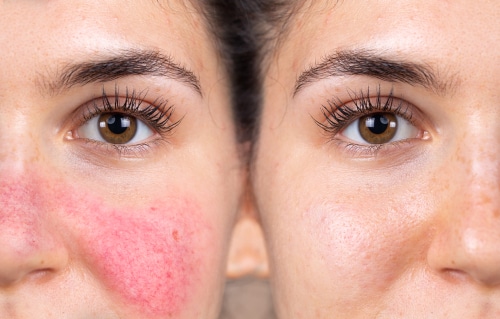
Understanding Rosacea
Rosacea is far more than a superficial skin concern—it’s a chronic inflammatory condition that can cause both physical discomfort and emotional distress for those affected. While it often begins subtly, the condition can gradually intensify over time, particularly without appropriate management. Characteristic symptoms include persistent facial redness, visible blood vessels (telangiectasia), and swelling, particularly on the cheeks, nose, chin, and forehead. In more advanced cases, individuals may also experience papules or pustules resembling acne, along with burning or stinging sensations.
Additionally, some sufferers develop ocular rosacea, which affects the eyes and can lead to irritation, dryness, and sensitivity to light. Rosacea typically emerges after the age of 30 and tends to follow a pattern of flare-ups and remissions. Without proper diagnosis and tailored treatment, symptoms can worsen and become more difficult to control, potentially affecting one’s confidence and quality of life.
Common Triggers
- Hot drinks and spicy foods
- Alcohol consumption
- Extreme temperatures
- Sun exposure
- Stress and anxiety
Recognizing and avoiding these triggers can play a crucial role in controlling rosacea symptoms.
Comprehensive Rosacea Treatment at ProDerm Skin & Surgery
At ProDerm Skin & Surgery, we provide a diverse array of treatment options meticulously crafted to effectively manage rosacea symptoms. Our offerings include:
- Topical and oral medications to alleviate inflammation and reduce redness
- Advanced laser and light therapies to address visible blood vessels
- Customized skincare regimens designed to calm and soothe irritated skin
Our mission is to deliver relief and enhance the quality of life for those affected by rosacea. We employ a holistic approach that integrates both medical treatments and lifestyle modifications.
Why Choose ProDerm Skin & Surgery?
Selecting the right healthcare provider is crucial in effectively managing rosacea. Here’s why ProDerm Skin & Surgery is your optimal choice:
- Expert Care: Led by Dr. Sydney Proffer, our team is proficient in cutting-edge dermatological practices.
- Personalized Treatment: We develop individualized plans that address your specific needs and concerns.
- Comprehensive Solutions: From medications to laser therapies, we offer a wide range of effective treatments.
- Compassionate Approach: Our patient-focused care ensures you feel supported throughout your treatment journey.
FAQs
Can Rosacea Symptoms Spread Beyond the Face?
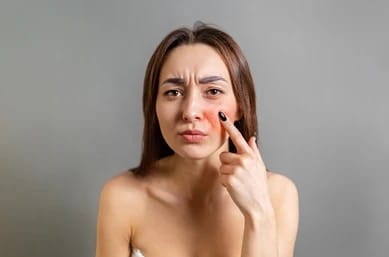 Although rosacea most commonly affects the cheeks, nose, chin, and forehead, symptoms can sometimes extend beyond the face. Some individuals notice redness, irritation, or small bumps on the scalp, neck, chest, or ears. In certain cases, it may also affect the eyes, a condition known as ocular rosacea, which can cause dryness, wateriness, and sensitivity to light.
How Can I Tell the Difference Between Rosacea and Adult Acne?
Rosacea and adult acne can appear similar, but there are several important differences.
Rosacea often causes persistent facial redness, visible blood vessels, flushing, and sensitivity, especially on the cheeks and nose. Acne typically involves blackheads, whiteheads, and deeper cystic breakouts that may occur on the face, chest, or back.
Rosacea-related bumps usually develop without blackheads and are often accompanied by burning or stinging sensations. Triggers such as spicy foods, heat, alcohol, and stress are also more commonly linked to rosacea flare-ups.
A professional evaluation helps ensure you receive a correct diagnosis and an appropriate treatment plan.
Are Certain Skincare Ingredients Known to Worsen Rosacea Symptoms?
Yes, some skincare ingredients may aggravate sensitive skin and trigger rosacea flare-ups. Products containing alcohol, menthol, eucalyptus, witch hazel, or strong fragrances can increase redness and discomfort for many people with rosacea. Harsh exfoliants, abrasive scrubs, and strong acids may also weaken the skin barrier and worsen irritation. In some cases, ingredients commonly used in acne products, such as benzoyl peroxide, can be overly drying for those who are rosacea-prone.
Can Rosacea Cause Permanent Skin Changes if Left Untreated?
Without proper management, rosacea can gradually worsen and potentially lead to lasting changes. Persistent inflammation may make visible blood vessels more prominent over time, while repeated flare-ups can result in ongoing redness that does not fully fade. In advanced cases, some individuals develop thickened skin around the nose, known as rhinophyma, which is more common in men. Ocular rosacea may also lead to chronic eye irritation if left untreated.
What Daily Habits Can Help Reduce Rosacea Flare-Ups?
Daily habits are influential in managing rosacea and minimizing flare-ups. Many people benefit from:
- Using gentle products
- Applying sunscreen every day
- Avoiding known triggers (spicy foods, alcohol, excessive heat, stress, etc.)
- Washing the face with lukewarm water instead of hot water
- Keeping the skin moisturized
- Avoiding aggressive scrubbing
Since triggers vary from person to person, tracking flare-ups in a journal may help you identify patterns more easily. Consistent skincare and lifestyle adjustments often work alongside professional treatments to improve symptom control over time.
Is Rosacea More Common in Certain Skin Types or Complexions?
Rosacea is often associated with fair complexions, particularly in individuals of Northern European descent, but it can affect people of all tones and ethnic backgrounds.
In those with lighter complexions, symptoms such as redness and visible blood vessels may be easier to recognize. In darker skin tones, rosacea may present differently and can sometimes be misdiagnosed because redness is less noticeable. Instead, it may appear as warmth, burning, swelling, or acne-like bumps.
A dermatologist experienced in treating diverse skin tones can help accurately identify and manage the condition.
Contact Us Today
If you are experiencing the symptoms of rosacea, we encourage you to contact us. The expert team at ProDerm Skin & Surgery is here to assist you in achieving clear, healthy skin. Schedule a consultation today by calling us at (512) 535-6000 or visiting our clinic in Austin, TX. Let us collaborate with you to restore your confidence and comfort.