
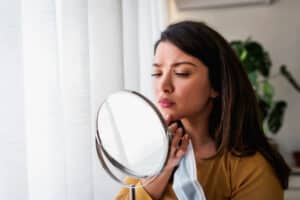
Your skin often reflects what is happening inside your body. Stress, sleep, diet, and especially hormones can all leave their mark. For many women, skin changes will show up during major life stages like puberty, pregnancy, and menopause.
At ProDerm Skin & Surgery in Austin, board-certified dermatologist Dr. Sydney Proffer spends a lot of time helping women make sense of these shifts. With medical training at Mayo Clinic and advanced fellowship training in dermatology and cosmetic surgery, she frequently speaks and teaches about how hormonal changes affect women’s skin.
Why Hormones Affect Women’s Skin
Hormones act like messengers throughout the body, including the skin. They influence how much oil your skin produces, how quickly cells turn over, how much collagen your skin makes, and even how pigment forms.
When hormone levels rise or fall, your skin reacts. Higher androgen levels can trigger oil production and breakouts. Lower estrogen levels can lead to dryness, thinning skin, and more visible lines. These changes explain why your skin may look and feel very different at various points in life.
Skin Changes During Puberty and Early Adulthood
Puberty is often the first time hormones start calling the shots when it comes to our skin. Oil glands become more active, clogging pores and leading to acne.
Breakouts during these years commonly appear along the jawline, chin, and lower cheeks. Some women still have these hormonal breakouts in adulthood, especially around menstrual cycles.
Pregnancy and Postpartum Skin Changes
Pregnancy can bring a mix of glowing skin and frustrating changes. Hormonal shifts may trigger melasma, a form of pigmentation that often appears across the cheeks or forehead. Some women also develop acne or increased sensitivity.
After pregnancy, your hormones shift again. Your skin might suddenly feel drier, duller, or more reactive.
Perimenopause and Menopause Skin Changes
Hormonal shifts later in life often affect skin texture and hydration. As estrogen levels decline, the skin produces less collagen and retains less moisture. Skin may feel thinner, drier, and less firm.
Some women are surprised when their acne returns during perimenopause as hormone levels fluctuate.
Ready to Get Your Skin Back on Track?
Hormonal shifts can affect your skin in many ways, but the good news is that there are effective treatments available.
Dr. Sydney Proffer evaluates hormonal skin concerns and can recommend solutions tailored to your skin and lifestyle. Call 512-535-6000 to book an appointment at ProDerm Skin & Surgery in Austin.