
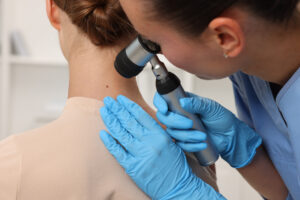
Hearing that you need Mohs surgery can feel overwhelming. The good news is that this procedure has a high success rate, and the recovery period is generally very manageable.
At ProDerm Skin & Surgery in Austin, TX, patients receive care from Dr. Sydney Larkin Proffer, MD, MS, FAAD, a board-certified dermatologist with advanced fellowship training in Mohs micrographic surgery and dermato-oncology. Her patient-centered approach helps individuals feel informed and supported throughout every stage of treatment, including recovery.
If you want to set yourself up for a smoother healing process, here are five tips that can help.
1. Follow Your Post-Procedure Instructions Carefully
After Mohs surgery, Dr. Proffer will give you detailed wound care instructions. Following these directions closely can help lower the risk of infection and promote proper healing.
Depending on the size and location of the treatment area, instructions may include:
- Cleaning the wound gently
- Applying ointment or bandages
- Avoiding strenuous activity
- Keeping the skin dry for a certain period
2. Take It Easy for the First Few Days
Your body needs time to heal after Mohs surgery. While many patients return to normal routines quickly, it is often recommended that they avoid intense exercise and heavy lifting for several days.
Activities that raise your blood pressure too much can increase swelling or bleeding around the surgical site. Adequate rest can make a noticeable difference in your healing and results.
3. Manage Swelling and Discomfort
Mild swelling, bruising, or tenderness is common after Mohs surgery, especially if the procedure was performed on the face.
You may find relief by:
- Applying a cold compress as directed
- Keeping your head elevated while sleeping
- Taking medications approved by Dr. Proffer
4. Protect Your Skin From the Sun
Sun protection is especially important after this treatment. Healing skin is more sensitive to UV exposure, and unprotected exposure may increase the risk of future damage.
Helpful habits include:
- Wearing broad-spectrum sunscreen
- Using wide-brimmed hats outdoors
- Seeking shade during peak sunlight hours
- Wearing protective clothing
5. Watch for Signs of Infection
Although complications are uncommon, you should still monitor the surgical area. Contact Dr. Proffer if you notice:
- Increasing redness
- Pus or unusual drainage
- Fever
- Severe pain
- Excessive swelling
Talk to a Professional Today
Recovery after Mohs surgery looks different for everyone, but patience and proper care can help you achieve the best possible outcome.
At ProDerm Skin & Surgery, Dr. Sydney Larkin Proffer combines advanced surgical training with compassionate care to help patients throughout their journeys. If you are considering Mohs surgery or have questions about it, call our office in Austin, TX, at (512) 535-6000 to schedule a consultation.